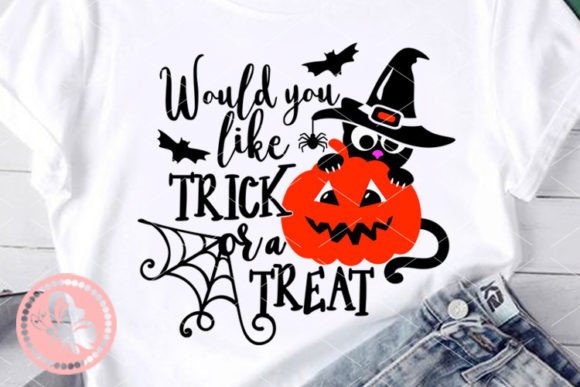
Would You Like Trick or a Treat Cat
As an embroidery designer and product reviewer, I’ve seen countless digital designs come and go. But when it comes to practical use in real projects, not all files deliver on their promise. Would You Like Trick or a Treat Cat is one that stands out for its charm and usability, especially for those looking to add a spooky yet playful touch to their handmade or commercial products.
The First Impression: A Spooky Yet Playful Design
From the moment I opened the files, the design felt immediately recognizable. The cat is stylized with a classic Halloween vibe—think big eyes, a mischievous grin, and a costume that hints at both trick and treat. The layout is clean, with enough detail to make it visually interesting without being overwhelming. It’s the kind of design that works well on a variety of surfaces, from tote bags to baby onesies.
The shape and theme suggest a design that’s perfect for holiday-themed items, especially around Halloween. It has a friendly, approachable feel that makes it suitable for both children and adults. The level of detail is just right for machine embroidery, offering enough texture to stand out without requiring overly complex stitching.
Real-World Use: Where Does This Design Shine?
I tested Would You Like Trick or a Treat Cat on several different fabrics and project types. On a cotton tote bag, it looked great with a medium stitch density, and the colors popped nicely against the light background. For a sweatshirt, the design held up well, though I would recommend using a stabilizer to prevent puckering, especially if the fabric is stretchy.
On baby clothes, the design was subtle but effective. The cat’s expression was cute without being too scary, making it a safe choice for nursery decor or personalized gifts. I also tried it on a patch, where the details were sharp and the stitches didn’t get lost in the corners.
This design is versatile enough to work as a standalone piece or as part of a larger collection. It could be used for holiday gifts, boutique merchandise, or even as a printable mockup for digital product sellers. Its simplicity makes it easy to adapt to different color schemes and fabric types.
Where to Be Careful: Limitations and Considerations
While the design is generally user-friendly, there are a few areas where caution is needed. If you’re working with small hoop sizes, the cat’s size might be a challenge. You may need to adjust the design or split it into sections to fit your machine’s capabilities.
On textured or thin fabrics, the design can sometimes look a bit flat. I found that using a heavier stabilizer helped maintain the integrity of the stitches. Similarly, on dark fabrics, the contrast between the thread and the background can be an issue. Testing the design on a sample fabric before committing to a full project is always a good idea.
Dense stitch areas, like the cat’s eyes or the background, can cause the fabric to pucker if not properly stabilized. I recommend testing the design on a scrap piece of fabric first, especially if you’re planning to use it on something that will be washed frequently.
Impact on Visual Appeal and Customer Perception
Would You Like Trick or a Treat Cat adds a unique visual element to any project. Its playful design can elevate a simple tote bag into a standout item, making it more appealing to customers looking for something special. For small business owners and Etsy sellers, this design can help differentiate their products in a crowded market.
When used effectively, the design enhances the handmade quality of a product. It gives a sense of personality and care, which can increase customer trust and engagement. Whether it’s a custom apparel piece or a holiday gift, the design feels intentional and well-crafted.
For commercial embroidery projects, the design offers flexibility. It can be adapted to different sizes and colors, making it a valuable asset for businesses that want to offer seasonal or themed products. However, it’s important to confirm licensing terms before selling finished items or digital products.
Practical Designer Notes: What to Check Before Using
Before finalizing any project with this design, here are a few key steps I recommend:
- Test on scrap fabric to see how the stitches look and how the design interacts with the material.
- Check thread color contrast to ensure the design stands out on the intended fabric.
- Review stitch density to avoid issues with puckering or distortion.
- Confirm hoop size to make sure the design fits your machine’s capabilities.
- Inspect small details like the cat’s eyes or facial features to ensure they remain clear after stitching.
- Test in black and white mockups to see how the design looks without color.
- Compare light and dark fabric backgrounds to determine the best application.
- Use proper stabilizer to prevent shifting or puckering, especially on stretchy or thin fabrics.
- Check if the design works for both personal and commercial projects based on your needs.
- Confirm licensing before selling finished items or digital products.
Final Thoughts: A Versatile Halloween Design
Would You Like Trick or a Treat Cat is a solid choice for anyone looking to add a fun, spooky element to their embroidery projects. Its clean layout, manageable detail level, and versatility across different fabrics and applications make it a valuable addition to any designer’s toolkit.
Whether you’re creating custom apparel, personalized gifts, or small shop merchandise, this design has the potential to enhance your offerings and attract a wider audience. Just remember to test it thoroughly and consider the specific requirements of your project before finalizing any orders.